The Rise of Biometric Security: Are Fingerprints and Face IDs Safe Enough?

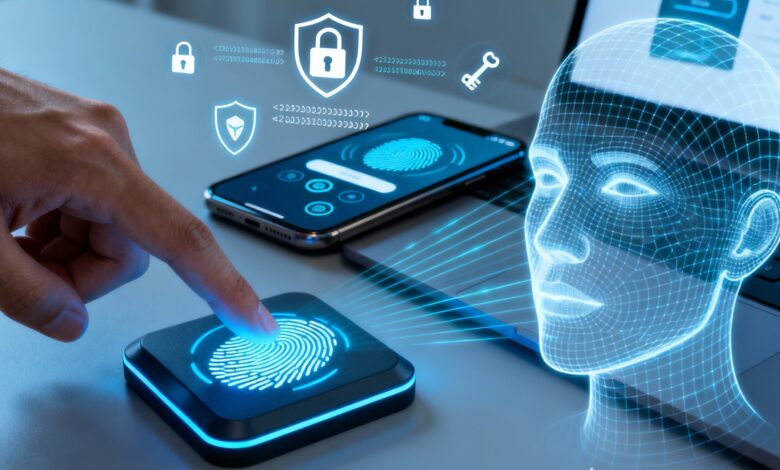
Biometric security’s gone from sci-fi fantasy to something you use daily without thinking. Right now, your fingerprint or face can open phones, pay bills, even guard online profiles. People between 20 and 50 find it quick – but also kind of comforting. Still, since we’re using it more than ever, one big worry pops up: Can these body-based locks actually keep our private stuff safe?
Understanding Biometric Security
Biometric security uses things like your fingerprint, face shape, eye pattern, or voice to confirm who you are. Instead of passwords or PINs – which people often forget – these body traits can’t easily be copied. So both users and businesses find this method useful when they want stronger online safety without extra steps. Today’s gadgets come with smart sensors that team up with learning software to check your features super fast. That means getting in quicker compared to typing out old-style login details.
Why Biometric Methods Are on the Rise
The rise of biometric tech comes down to three main reasons. For one, people want things faster. Getting into a phone with just a thumbprint or a look speeds up everyday tasks without hassle. Another reason? Cyber threats keep getting worse, so companies need tougher ways to verify identity. Unlike weak, repeated passwords, biometric info is harder to crack. Also, better hardware – like sharper cameras and improved sensors – makes these systems work more smoothly, making average users feel confident using them.
The Security Strengths of Biometrics
Biometric setups come with real benefits. Take fingerprints – each one’s got unique ridges, so copying them isn’t easy. Instead of just light pictures, face scans use 3D models, heat sensors, along with smart software to work well, no matter how dark it is or which way you’re facing. On today’s gadgets, your biometric details usually live in locked-off zones called secure enclaves, meaning hackers can’t reach them easily. All these steps together build solid defense without slowing users down.
Potential Risks and Vulnerabilities
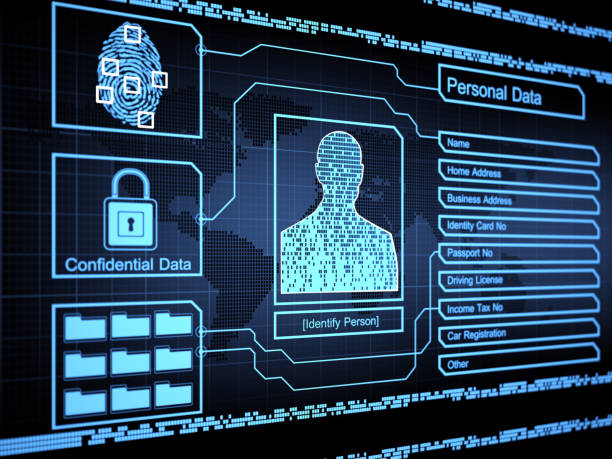
Even though they’re strong, biometric ways aren’t flawless. A big issue pops up when biometric details get stolen – they can’t just be swapped out like passwords. Hackers who grab a person’s fingerprint or face scan might cause lasting harm. On top of that, deepfakes bring fresh trouble; crooks could trick systems using fake but lifelike digital faces. Weak storage adds danger too – some firms keep biometric data on outside servers rather than personal gadgets, making leaks more likely.
Balancing Convenience and Security
To stay safe, specialists suggest pairing biometric checks with extra verification – like for banking or private info. MFA mixes what you are (fingerprint scans), what you remember (codes), along with what you own (phones or keys). Layers like these tackle flaws without making things harder to use.
Closing Remarks
Fingerprint scanners changed the way we lock our stuff online, bringing quick access plus peace of mind. Even though face recognition feels slick, it can still mess up sometimes. Staying safe means mixing these tools with smart routines – like solid passwords or backup locks. Tech keeps moving forward, so people should keep learning to guard their data right.