Cybersecurity for Small Businesses: Affordable Ways to Stay Protected

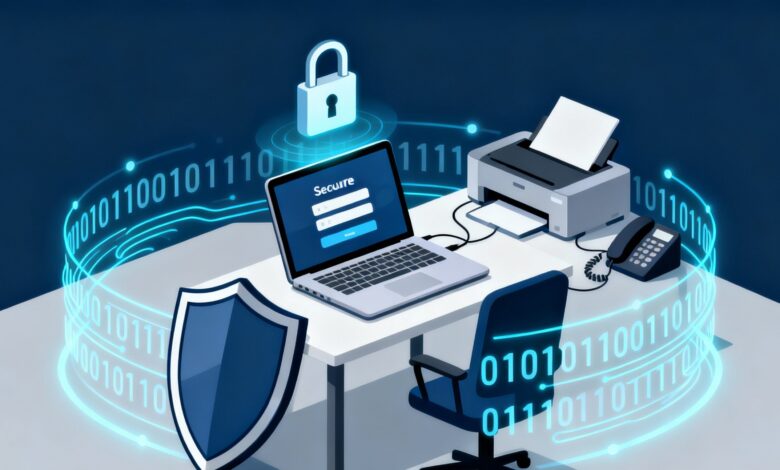
In our tech-heavy daily life, online safety isn’t just big companies’ problem anymore. Smaller shops and firms – usually tight on cash and short on IT help – are now getting hit more often by hackers. These attackers go after them ’cause their shields are thinner and rules get ignored sometimes. Still, keeping safe won’t break the bank. By thinking ahead and using low-cost fixes, smaller teams can boost protection quite a bit while slashing chances of digital theft.
Why Cybersecurity Matters for Small Businesses
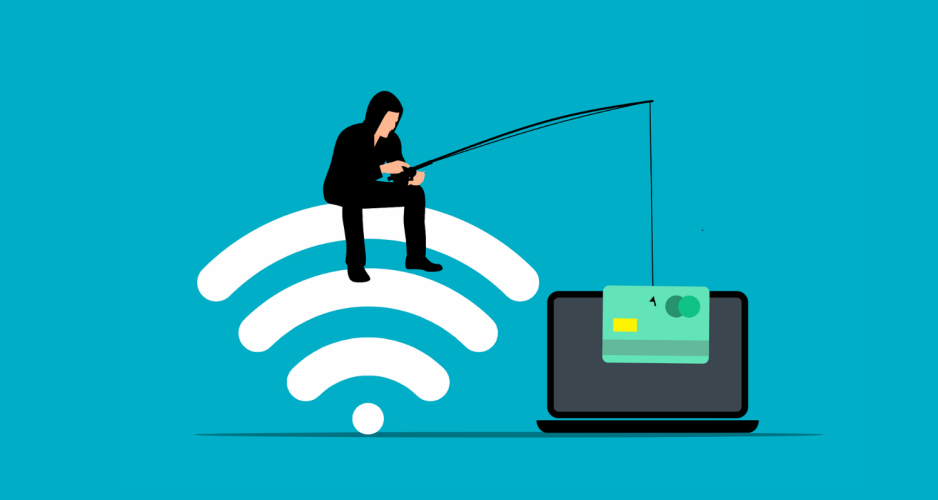
Small businesses handle private details – things like client info, money files, or online resources – that are really valuable. One security slip could mean cash loss, lawsuits, or a damaged reputation that lasts years. Hackers now use tricks like fake emails, locking systems for profit, or stealing data – and they often go after small firms with weak defenses. Setting up strong safeguards isn’t only about fending off hackers; it’s also key to keeping operations running smoothly, holding on to customer loyalty, and protecting what the company’s built.
Practical and Affordable Security Measures
1. Strengthen Password Policies and Enable Multi-Factor Authentication (MFA)
Poor passwords still cause plenty of security leaks. Smaller companies should push staff toward tougher, distinct login codes instead. On top of that, using multi-factor checks – like temporary passcodes or phone apps – adds extra defense, making break-ins way less likely.
2. Keep Software and Devices Updated
Cyber crooks usually sneak in through old software. Keeping your OS, apps, or protection tools fresh blocks most entry points. Set updates to run on their own – so nothing slips through.
3. Use Cost-Effective Security Tools
Free or cheap cyber tools give solid starting safety. Instead of paying much, use anti-virus apps, network guards, along with safe log-in helpers – they’re simple to set up. Some online platforms even pack free protections, letting small teams handle threats minus big spending.
4. Train Employees to Recognize Threats
People still make mistakes that lead to security problems. Instead of costly programs, simple tools like web lessons, quick clips, or fake phishing tests can really help workers spot red flags. Teaching teams how to browse safely, check emails carefully, yet manage info wisely builds a solid defense from within.
5. Back Up Data Regularly
Data loss might shut down a small company. When backups run automatically and often, files can come back after malware hits, gear stops working, or someone deletes by mistake. Low-cost cloud options let tiny groups store data safely without hassle.
6. Limit Access to Sensitive Information
Some staff don’t need to see every file. Using roles to control entry means private details go just to those who require them. Doing this helps stop insiders from misusing info, also lowers danger when a login gets hacked.
Final Remarks
Cybersecurity for small businesses doesn’t need big spending or tech genius. Using low-cost software, regular practice, yet smart daily routines helps firms block attacks while keeping core work safe. Since online dangers keep changing, acting now means staying tough, reliable, but prepared to expand without risk.