Data Breach Response: What to Do If Your Information Is Leaked

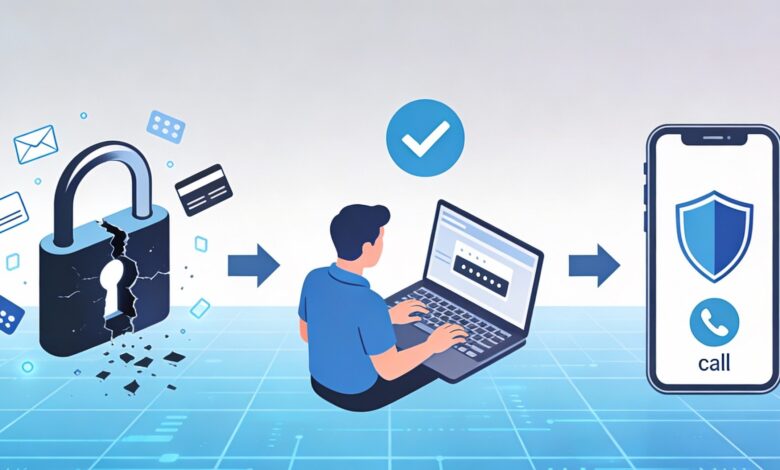
In today’s linked online world, data leaks are growing more frequent – hitting both people and companies. Leaked emails or open financial files show just how severe weak privacy can get. Knowing what steps to take helps reduce harm, secure your identity, while rebuilding confidence slowly. Taking smart action turns a tough event into something controlled instead of chaos lasting months.
Understanding What a Data Breach Means
A data breach happens if outsiders reach private details like login codes, ID digits, bank info, or health files. Since cyber intrusions, fake emails, weak software spots, because of simple mistakes by staff – such events unfold. After exposure, stolen facts might appear on hidden networks also exploited for pretending identities, stealing money, misleading people online. Seeing how critical a leak is marks the initial phase before reacting properly.
Immediate Steps to Take After a Data Breach
If you find out – or get told – your data’s been breached, act fast. Start by checking what info was leaked and which accounts could be at risk. Update your passwords right away, particularly if some were reused elsewhere. Use different strong passwords; add two-step verification – it helps block more attacks. Keep a close eye on accounts for odd signs, like logins from unknown places or strange payments.
Protecting Your Financial and Personal Identity
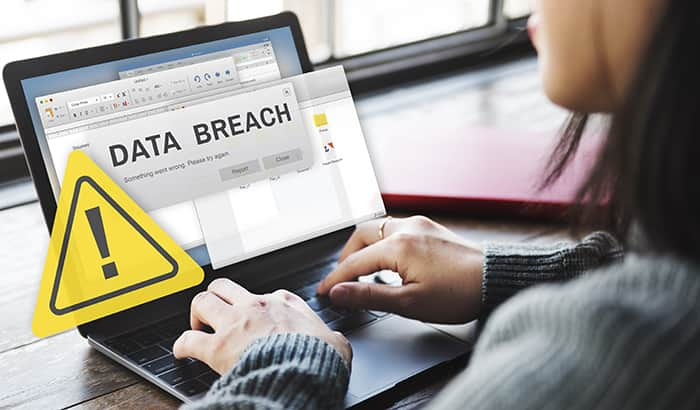
If financial details were exposed, get in touch with your bank or card issuer – this could help set up warnings or short-term locks on your accounts. When issues are serious, a credit freeze might stop fraudsters using your identity to open new lines. Checking your credit reports now and then helps catch odd behavior sooner rather than later. As for private IDs like national numbers, stick to official advice about extra steps you can take.
Reporting and Seeking Professional Support
Informing the impacted company about the breach matters – many provide support, credit monitoring, or advice. Depending on your location, it might be wise to notify local data protection offices or cyber units. When damages are serious, speaking with IT security experts or lawyers can clarify possible actions and reduce future exposure.
Learning and Preventing Future Incidents
Though every breach can’t be stopped, taking early safety steps lowers risk. Keep programs up to date, watch out for odd messages, or avoid posting private details online – these help block problems. Learning matters a lot; knowing tricks like fake login requests or harmful downloads lets people spot danger sooner. When a break happens, see it not just as trouble but also as a chance to boost alertness and recovery skills.

Closing Points
A data breach may feel overwhelming; however, staying composed helps reduce harm. Acting fast safeguards key accounts while offering lessons for improvement. Since information holds great worth today, readiness plus smart choices build solid protection over time.