The Threat of Deepfakes: When Technology Becomes Hard to Trust

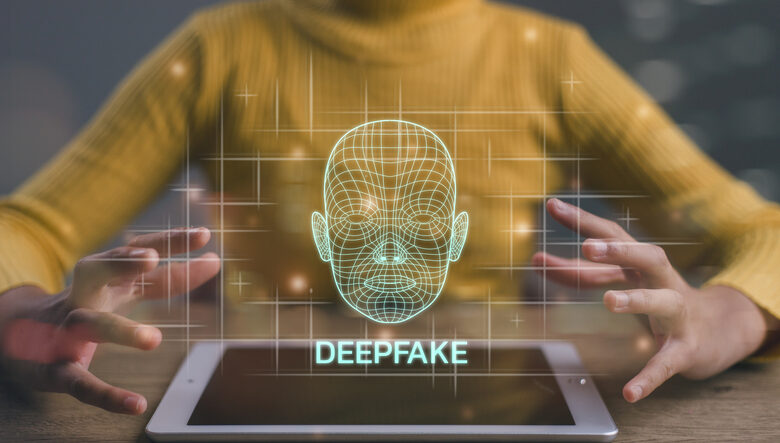
A deepfake refers to a manipulated audio or video clip created using deep learning tools. This kind of manipulation can replicate one’s facial expression, voice, and gestures so accurately that it is impossible for several people to distinguish. Though it has numerous applications in the film, gaming, and VFX industry, it also creates concerns regarding privacy, identity, and trust.
Generating Public Opinion by means of Misrepresentation
One big risk associated with deep fakes is the power they have regarding influencing public opinion. This can be done through the creation of a video where a person has made some wrong statements. These statements can go around the internet in a very short while. This can happen because the current world operates in a very fast environment where people can believe what they see without bothering to find out the facts.
Attacks on Personal Reputation
Deepfakes don’t only have uses when it comes to political issues; they may also cause problems for regular citizens. A video that can make it seem like someone did something or said something that they actually didn’t may cause them to lose their job, damage relationships, and more. Even then, once the problem is resolved, that video may end up lingering around on the internet.
Deepfakes in Cybercrime
Deep fake technology has also increased the risks associated with cyber crime. In this respect, a person’s voice could easily be duplicated to steal money, ask for passwords, or get sensitive information from employees. As deep fake applications are increasing in ease of access and use, this crime is expected to escalate.
Challenges in Legal Matters and Digital Evidence Issues
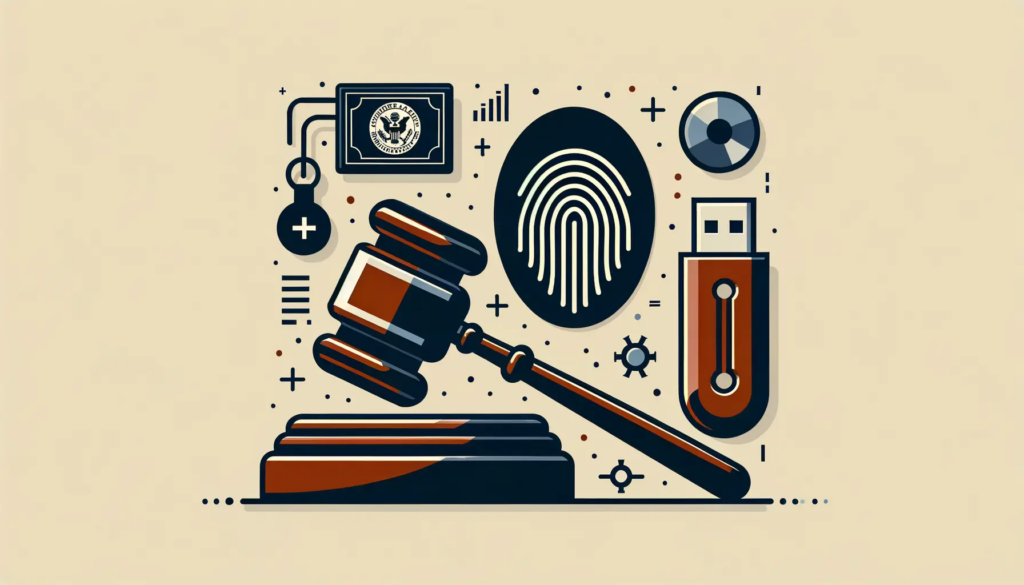
Prior to the advent of deepfakes, videos and audio files were the most credible forms of proof in a legal context. Current advances in technology mean that audio and video files are now often doubted. The job of investigators has become significantly tricky as they require sophisticated means and methods to establish the authenticity of the audio or video file.
Global Initiatives for Combating Deepfakes
Scientists are working on detection technologies that are capable of pointing out small errors in deepfake videos. Social networks are beginning to mark such fraudulent or deceptive content, and states are talking about laws that should regulate the distribution of such materials. But education and awareness are also necessary, because people must learn to fact-check and think about information they come across online.
Concluding Remarks
Deepfakes are a digital threat that represents something entirely different from what existed just a couple of years ago. Their impact can be detrimental to individuals, societies, and sources of information and should not be ignored just because they also have beneficial applications. However, with better regulation and understanding, deepfakes can be mitigated. It is how we learn to navigate a world where seeing is no longer believing that represents the largest challenge that lies ahead.