The Human Factor: Why Employee Awareness Remains the Key to Strong Security

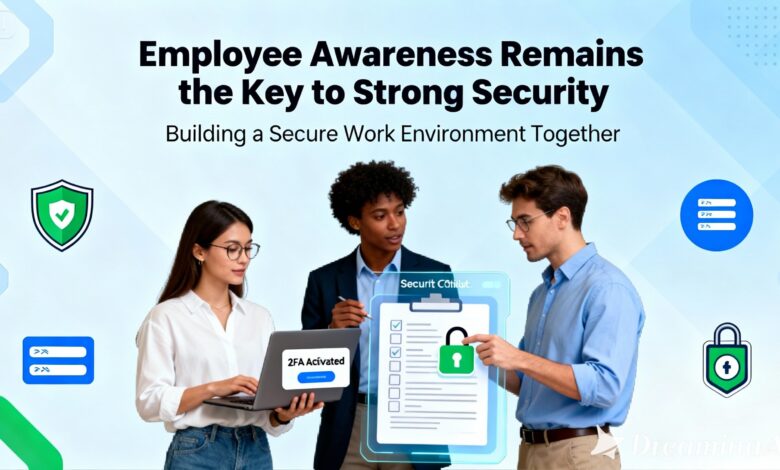
In this ever-changing digital world today, most business seems to believe that fancy software alone stops hackers. Yet despite new tech fixes, human errors still lead to most breaches. Sometimes, staff-whether fresh hires or veterans-end up being your first line of defense. Their awareness level, behavior patterns, or split-second decisions directly affect security strength. The understanding of real-world user habits brings in the possibility of building tougher, resilient setups.
The Role of the Employee in Cybersecurity
Cybersecurity is not just a matter of tools; it is also closely related to human behavior. Because employees handle sensitive information, communicate with customers, and access corporate systems regularly, everything they do involves risk. Opening a doubtful link, using an easy-to-guess password, or responding inadequately to a suspicious email may open wide the doors for intruders when records are stolen, files are frozen, or intruders are hidden inside networks. Therefore, companies should not consider team members as vulnerabilities but as crucial assistants in digital assets security.

Breach Leading Common Mistakes
Even the best-designed safety systems can fail for simple human mistakes. Typical mistakes include things like:
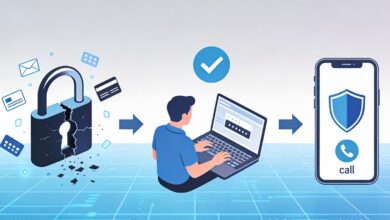
- Falling for scam emails, should one be distracted or in a hurry when going through alerts.
- Failing to build solid passwords – then using the same ones across multiple sites.
- Not setting up updates that include the most important repairs.
- Sneaking private info through shaky links.
- Failure to investigate people’s identities when things seem suspicious.
These errors often are not about sloppiness; more likely, they are because of fuzzy instructions or staff playing down possible outcomes.
Why Awareness Matters More Than Ever
- Increasingly Sophisticated Attacks
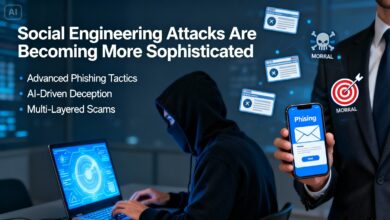
Cyber thieves use sneaky tactics, bogus alerts boosted by clever tech, or act just like someone you trust. Without knowledgeable staff, being watchful can’t help a bit: telling what’s real becomes hard. - The Emergence of Distance and Hybrid Work
Working out of the office brings about new risks. Because home networks often lack strong protection, mistakes can more easily occur if attention wanes. If people understand the consequences, they tend to remain more alert, no matter where they work. - The human element cannot be automated.
Even when technology detects the threats and stops the damage, it is time for human intervention. Confronted with confusing situations, employees use fast judgment-choices made right then make a difference.
Building a Culture of Security Awareness
Staying sharp with safety is a result of constant learning, while changing the methods keeps it real. Some businesses attempt to pull various tricks to wake up team awareness instead.
Regular Training Sessions
When threats keep changing, doing things yourself-say, mock phishing messages or live safety exercises-helps keep workers at alert. Instead of merely listening, they learn by doing. Real action beats theory every time. When they react to actual scenarios, their skills grow without them noticing.
Clear and Accessible Policies
Basic tips on how to handle data, make logins, or send notes help employees establish habits that are better due to step-by-step instructions that they actually remember. Rules are intuitive when simple; therefore, people make better everyday decisions because nobody becomes tangled in some messy rules, trying just to follow them.
Encourage a “Report First” Mindset
If people feel safe calling out odd actions, issues show up faster-meaning solutions come earlier since trust clears the path.
Leadership Involvement
When the management acts responsibly and discusses the importance of web security on a daily basis, workers concentrate more.

Closing Remarks
Tools alone cannot solve online safety. Humans are the most important factors; sometimes, they are the weakest link. Workers who pick up practical abilities, stay updated, and operate in settings that boost awareness cut dangers faster. Protection commences by means of understanding the risks; this is what people finally understand when they begin to see how their choices add up.