How Social Engineering Attacks Are Becoming More Sophisticated

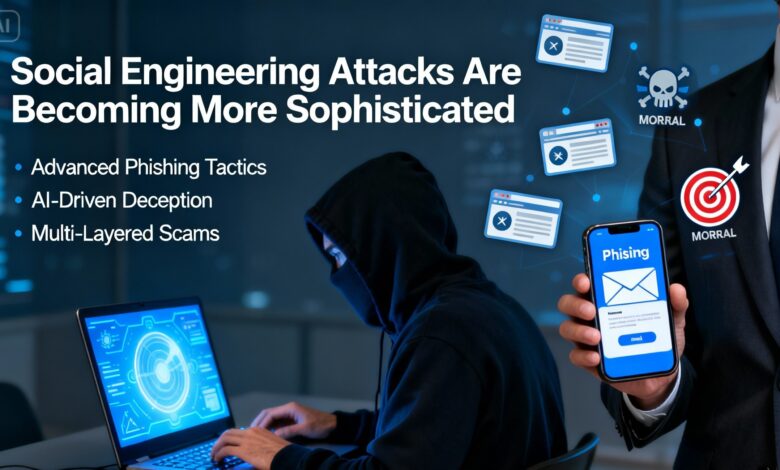
In modern times, threats online aren’t only about broken code or cracked computers. Instead, they use how people think – the blind spot most ignore. Tricks that push feelings or fake closeness to grab info are growing sneakier each year. As attackers combine psychological moves, clever tech, and custom stories, folks aged 20 to 50 must stay sharp – never slow down. Being watchful matters big time when bogus texts seem legit.
What Is Social Engineering?
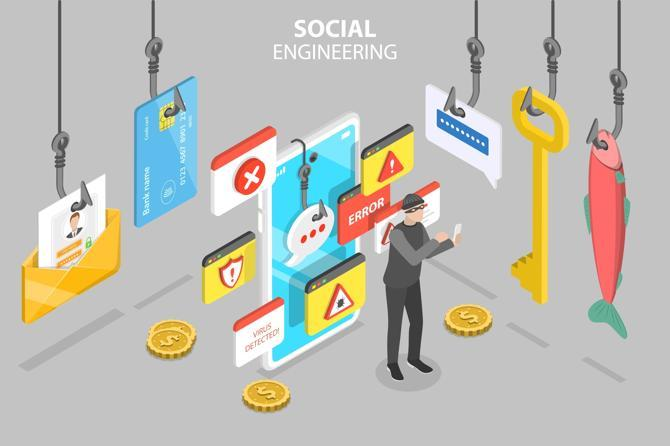
People usually fall for scams when fraudsters play on feelings – say, panic or interest – to grab personal data off the internet. Criminals aren’t only breaking into systems; many simply charm their way inside. A message seeming legit could still trap you into spilling login details. Bogus web pages, shady phone calls, or acting like a trusted contact? All typical moves these con artists make. As we spend more time doing stuff online, it opens wider doors for thieves hunting fresh victims.
Why Social Engineering Is Becoming More Advanced
1. More Personalized Attacks
Right now, crooks check your online updates, exposed data, or open records to build sly messages. Instead of random shots, these custom attacks – called spear phishing – refer to your work life, recent buys, even pastimes, making them seem legit so folks fall for it quicker.
2. Advanced Technology and AI Tools
A hacker today might skip old-school tactics, relying on clever programs to blast out phony emails quick. Rather than spending time manually, they let tech mimic voices so scams sound legit. Machines help craft fake identities or alter documents that appear genuine at first glance. Even small details get forged smoothly using automated tools instead.
3. Multi-Channel Deception
Years ago, fraudsters stuck to emails to fool folks. Today, they combine messages, online networks, messaging apps, or even face-to-face video calls – mixing them up to look trustworthy. When multiple methods hit at once, it creates stress and chaos. This makes recognizing scams harder compared to earlier times.
4. Increased Remote Work Vulnerabilities
Folks working from home face more hacking risks – no secure office shields them now. Distractions, odd apps, or less monitoring make people easier targets. Scammers slip in using fakes that look like they’re from a manager, IT person, or teammate.
Common Types of Modern Social Engineering Attacks
- Phishing or spear phishing: Messages faked to look real, pretending they come from someone or some org you know.
- Vishing: When scammers call pretending to be someone else – some follow a script, while others mimic actual voices to deceive folks.
- Smishing: Fake texts that push you to act fast.
- Scammers invent false scenarios: Say an issue with your profile – or ask for job specifics just to steal personal data.
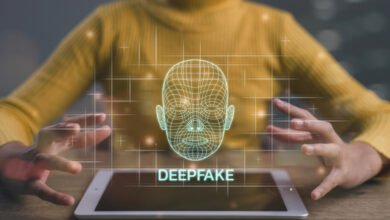
- Fake audio clips or moving images: Created by computers acting like actual humans – using tricks to seem genuine. These digital copies mimic speech and looks without showing they’re not real at all.
How to Protect Yourself Against Sophisticated Threats
Be Skeptical of Unexpected Requests
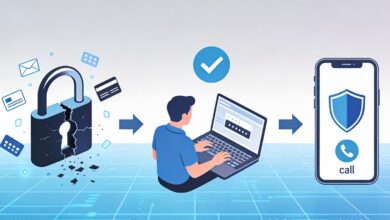
If something seems pressing or just regular, verify it through a different chat method. Rather than tapping on links, get confirmation – call or shoot a text to someone reliable.
Limit Personal Information Shared Online
Reducing your footprint online makes it harder for cyber crooks to craft tailored tricks.
Enable Multi-Factor Authentication (MFA)
If hackers steal passwords, multi-factor auth stops them anyway – because another step activates just after login.
Stay Educated About Cybersecurity Trends
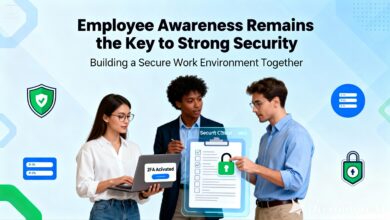
Awareness beats everything else by far. Keep an eye on threat updates once in a while – along with clever tips to protect yourself.
Final Thoughts
Scammers are becoming increasingly adept at using sophisticated technology to deceive people into believing they are safe. Because threats are constantly evolving, maintaining vigilance is crucial thing. Be aware of suspicious emails, adjust your online habits, and always learn about modern scams. This will help protect personal and confidential details in the workplace.